← Recommended Sites
Erik Craddock@eriklink

How I use AI in 2026 (Coding, Writing, Learning, Assistant-ing)

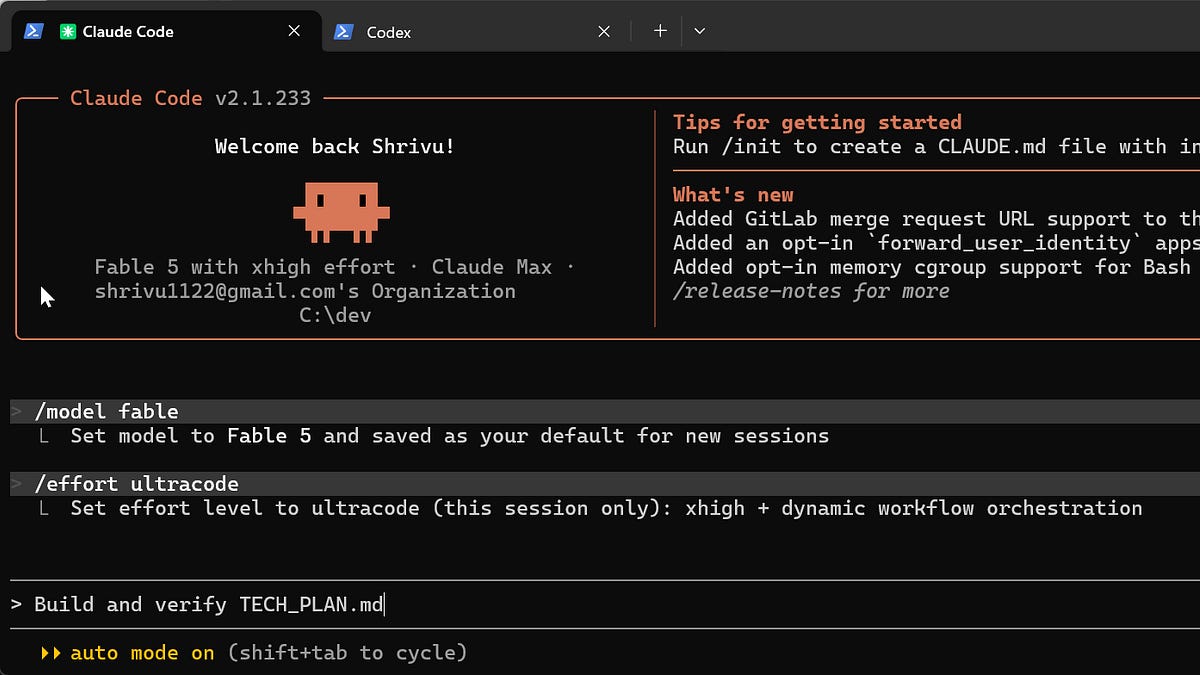
Wean off of using AI like a chat-based assistant. Shift-left so that most of the work is done in your first prompt and think of yourself as more of a manager than a co-pilot. Review results, not intermediate chat messages. In pair-prompting sessions I’ve done, the most common mistake I see is folks trickling narrow tasks into the chat session to accomplish a larger goal rather than just shifting left the full goal into a document and just letting the agent cook (without interruption!) from that.

How I use AI in 2026 (Coding, Writing, Learning, Assistant-ing)
Shrivu’s Substack

How I use AI in 2026 (Coding, Writing, Learning, Assistant-ing)

A personal update to "How I use AI (2025)".
linkby Erik Craddock (@erik)Credit: Shrivu Shankar
Erik Craddock@eriklink

Move Faster

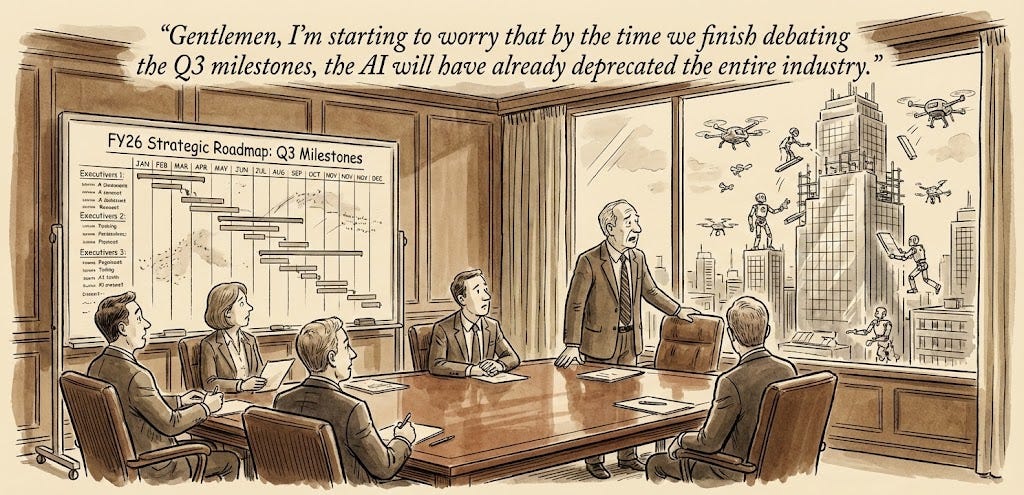
With general intelligence, you can go a layer deeper: you can accelerate the acceleration. You don't just write the prompt that fixes the code; you build the evaluation pipeline that automatically optimizes the prompts. You stop working on the work, and start working on the optimization of the work. You shift from First-Order execution (doing the thing), to Second-Order automation (improving the system), to Third-Order meta-optimization (automating the improvement of the system). AI eats the lower derivatives, constantly pushing you up the stack to become the architect of the machine that builds the machine.

You can't leave anything on the table. This is Amdahl's Law for AI transformation: as the "core" work approaches zero duration, the "trivial" manual steps you ignored—the 10-minute deploy, the manual data entry on a UI, the waiting for CI—become the entire bottleneck. The speed of your system is no longer determined by how fast you code, but by the one thing you didn't automate5. If an agent can fix a bug in 5 minutes but it takes 3 days for Security to review the text or 2 days for Design to approve the padding, the organization has become the bug. You need to treat organizational latency with the same severity you treat server latency.

Move Faster

Shrivu’s Substack

Move Faster

Why speed matters and why it's more than just timing.

linkby Erik Craddock (@erik)Credit: Shrivu Shankar
Erik Craddock@eriklink

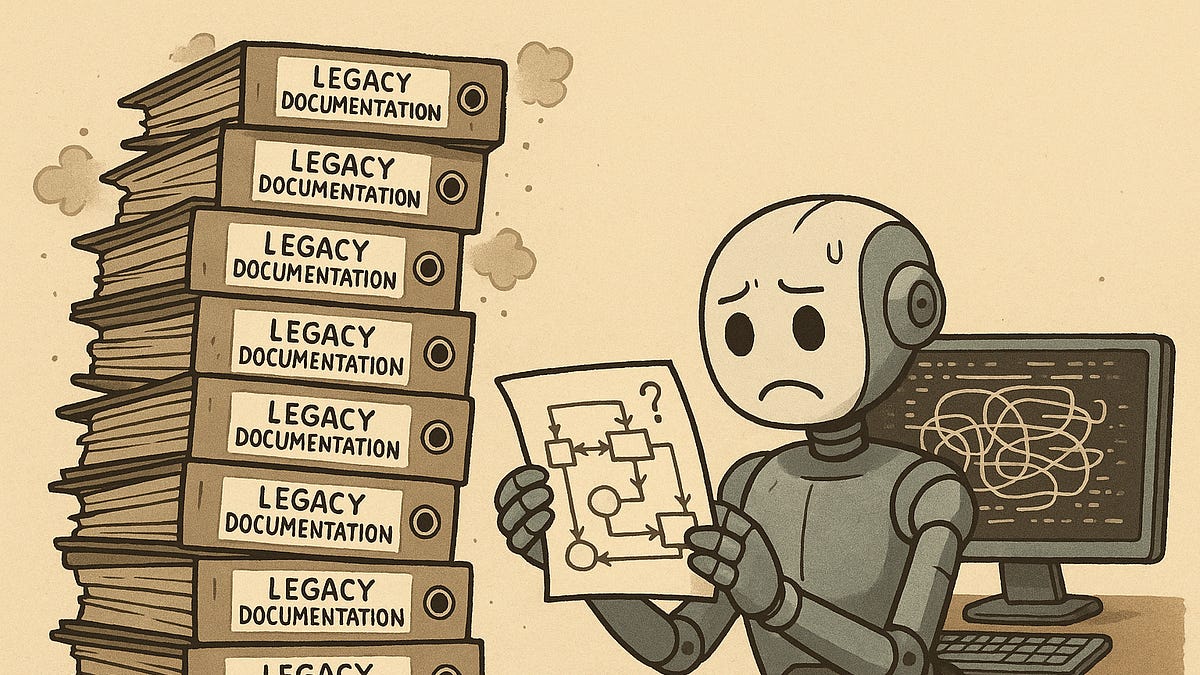
AI Can't Read Your Docs

The core principle is simple: reduce the need for external context and assumptions. An AI agent is at its best when the next step is obvious and the tools are intuitive. This framework builds from the most immediate agent interaction all the way up to the complete system architecture. This isn’t to say today's agents can’t reason or do complex things. But to unlock the full potential of today’s models—to not just solve problems, but do so consistently—these are your levers.

AI Can't Read Your Docs

Shrivu’s Substack

AI Can't Read Your Docs

Designing software that today's AI coding agents can actually use.

linkby Erik Craddock (@erik)Credit: Shrivu Shankar